Mindful Mornings: How to Start Your Day with Gentle Yoga
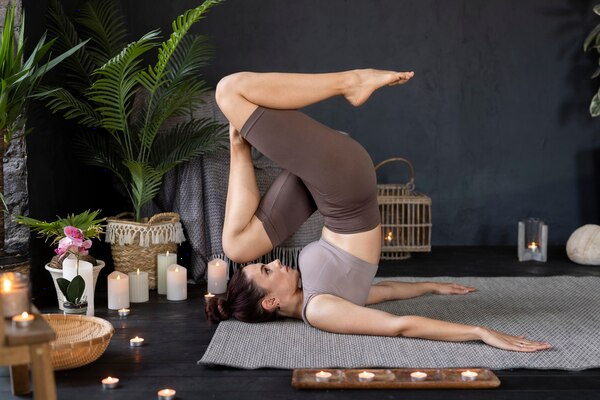
Mornings set the tone for the entire day. When you start in a rush—scrolling your phone, gulping coffee, and running out the door—your body and mind carry that tension forward. Gentle yoga offers a different pathway: a slow, mindful awakening that leaves you grounded, supple, and clear-headed before the demands of the day begin.
Below is a practical, accessible guide to creating a mindful morning routine with gentle yoga, even if you’re stiff, busy, or completely new to the practice.
Why Gentle Yoga Works So Well in the Morning
1. It wakes up your body without shocking your system
After hours of stillness, your muscles, joints, and fascia are stiff. Intense exercise right away can feel jarring. Gentle yoga focuses on:
- Slow stretches that lubricate the joints
- Mild strengthening moves that activate major muscle groups
- Gradual transitions that respect your body’s sleepy state
You’re not forcing anything; you’re inviting your body to wake up.
2. It calms the nervous system before the day ramps up
Morning anxiety is common—your mind jumps straight into to-do lists and worries. Gentle yoga pairs movement with breath, which:
- Lowers stress hormones
- Activates the parasympathetic (rest-and-digest) system
- Creates a moment of internal quiet before external noise begins
Instead of reacting from stress, you step into the day from a place of steadiness.
3. It builds consistency
Because the practice is short and soft, it’s easier to maintain. You don’t need maximum motivation to do 10–15 minutes of gentle stretching and mindful breathing. Over time, that consistency matters more than intensity.
Setting the Space for Your Morning Practice
You don’t need a perfect studio setup. A little intentionality goes a long way.
- Choose a spot: A small space beside your bed, in your living room, or even on a rug is enough.
- Keep it ready: Leave your mat rolled out or nearby, along with a pillow or folded blanket. Reducing friction makes it easier to show up.
- Minimize distractions: Silence your phone or put it in another room for the duration of your practice.
- Optional atmosphere: Soft natural light, a candle, or quiet instrumental music can help, but they’re not required.
The most important element isn’t aesthetics—it’s your intention to be present.
A Gentle 10–15 Minute Morning Yoga Sequence
Use this as a template and adapt to your body. Move slowly and breathe steadily through your nose if possible. If any shape causes pain (sharp or pinching), ease out or skip it.
1. Grounding Breath (1–2 minutes)
Position: Sit on the edge of your bed or on your mat, cross-legged or with legs extended. Sit tall but not rigid.
- Place one hand on your chest and one on your belly.
- Inhale slowly through your nose for a count of 4, feeling the belly gently rise.
- Exhale through the nose for a count of 4–6, letting the belly soften.
- Repeat 6–10 rounds.
Focus on the sensation of air moving in and out. This is your transition from sleep to wakefulness, not just for the body but also for attention.
2. Neck and Shoulder Release (2 minutes)
Seated Neck Stretches
- Inhale to lengthen through your spine.
- Exhale, let your right ear drift toward your right shoulder (don’t hike the shoulder up).
- Option: Gently place the right hand on the left side of your head for a bit more weight, not pulling.
- Take 3–5 slow breaths, then switch sides.
Shoulder Rolls
- Inhale, lift both shoulders up toward your ears.
- Exhale, roll them back and down.
- Repeat 5–8 times, then reverse the direction.
These simple movements release common areas of morning tension, especially if you sleep curled up or hunch over devices during the day.
3. Cat–Cow Spinal Warm-Up (2 minutes)
Position: Come onto hands and knees (tabletop). Place wrists under shoulders, knees under hips. If your knees are sensitive, use a folded blanket under them.
- Cow Pose (inhale):
Drop your belly slightly, lift your chest and tailbone, soften your shoulders away from your ears, gaze slightly forward. - Cat Pose (exhale):
Round your spine toward the ceiling, gently draw your navel toward your spine, tuck your chin toward your chest.
Move slowly between Cat and Cow for 8–10 breaths, synchronizing movement with breathing. Let your spine articulate one segment at a time, like a slow wave.
Optional: Add gentle side-to-side movements of the hips or small circles to explore where your back feels tight.
4. Child’s Pose with Side Stretch (2 minutes)
Position: From tabletop, bring your big toes together and widen your knees (if comfortable). Sit your hips back toward your heels and extend your arms forward, resting your forehead on the mat, pillow, or stacked fists.
Stay here for several breaths, feeling the back of your body expand on each inhale.
For a side stretch:
- Walk both hands over to the right side, keeping your hips heavy toward the heels.
- Breathe into the left side of your ribcage for 3–5 breaths.
- Walk hands through center to the left side and repeat to open the right side body.
This gently lengthens the sides of the torso and low back—areas that often feel compressed after sleep.
5. Gentle Low Lunge (3 minutes)
Position: From tabletop, step your right foot forward between your hands. Lower your back (left) knee to the ground and keep your torso upright, hands resting on your front thigh or on yoga blocks/books.
- Inhale, lengthen through the spine.
- Exhale, let your hips sink slightly forward and down, only to a comfortable stretch in the front of the left hip and thigh.
- Keep your chest open and gaze softly forward or downward.
Stay for 5–8 breaths, then switch sides.
To add a bit more:
- In your lunge with right foot forward, you can reach your left arm up and slightly over to the right on an inhale, adding a stretch through the left side body and hip.
- Exhale to relax a little deeper into the shape without collapsing.
You’re not trying to go as deep as possible—just to awaken the hip flexors and support posture for the rest of the day.
6. Gentle Hamstring Awakening (2 minutes)
From your low lunge with right foot forward:
- Shift your hips back so your left knee is under your left hip.
- Straighten (or almost straighten) your right leg, flexing the right foot so toes point toward your face.
- Keep a long spine, hinging slightly forward at the hips rather than rounding. You can rest your hands on blocks, your thigh, or the floor.
Take 5 slow breaths, feeling sensation along the back of the right leg without forcing. Then return to lunge briefly and switch sides.
This is about waking up the hamstrings, not pushing flexibility.
7. Standing Forward Fold & Half Lift (2 minutes)
From hands and knees, tuck your toes and slowly walk your feet forward to come into a standing forward fold.
- Bend your knees generously so your belly can rest on your thighs.
- Let your head and arms hang heavy, or hold opposite elbows in a gentle “ragdoll.”
- Sway side to side if it feels good.
Take 4–6 breaths here. Notice gravity helping you release tension from the neck and upper back.
Then, for a halfway lift:
- Inhale, place your hands on your shins or thighs, lengthen your spine forward so your torso is parallel to the floor, crown of the head reaching forward, tailbone back.
- Exhale, fold again.
Repeat this half lift and fold 3–4 times with the breath. It warms the spine and stimulates circulation.
8. Mountain Pose with Intention (1–2 minutes)
Slowly roll up to stand, one vertebra at a time, stacking your head last.
Come into Mountain Pose:
- Feet hip-width apart or together—choose what feels most stable.
- Distribute weight evenly through both feet.
- Engage your legs gently, lengthen through the spine, relax your shoulders down and back.
- Arms can rest by your sides, palms facing forward, or hands at your heart.
Close your eyes or soften your gaze.
Take a few breaths here and silently set an intention for your day. It might be a single word (e.g., “patience,” “clarity,” “kindness”) or a simple phrase (“I move through today with ease” or “I respond instead of react”).
Let your body memorize what calm and grounded feels like, so you can return to it mentally later.
Tips for Making Your Routine Actually Stick
Keep it short and realistic
You don’t need 45 minutes. Commit to 5–15 minutes. The goal is consistency, not perfection. On busy days, do three poses and a few breaths. Small is still meaningful.
Attach it to an existing habit
Link your practice to something you already do every morning:
- Right after you brush your teeth
- As soon as the kettle goes on
- Before you check your phone or email
“After X, I do my yoga.” This keeps you from negotiating with yourself.
Prepare the night before
- Lay your mat out.
- Place comfortable clothes nearby.
- Decide how long you’ll practice.
Reducing decisions in the morning makes action easier.
Be gentle with expectations
Some days you’ll feel stiff, unfocused, or unmotivated. That doesn’t mean you’re “bad at yoga” or the routine isn’t working. Show up anyway, even if you only do child’s pose and a few breaths. You are building a relationship with your body and your attention, not chasing a performance.
Adapting If You’re New, Stiff, or Have Limited Mobility
- Use props: Pillows, folded blankets, and sturdy books can all support your hips, knees, or hands.
- Stay higher: In lunges and forward folds, it’s fine to stay upright and keep more bend in the knees.
- Chair options:
- Cat–cow can be done seated, arching and rounding the spine.
- Forward folds can be done by resting your forearms on your thighs while seated.
- Neck and shoulder stretches are easily adapted to a chair.
If you have injuries or chronic conditions, listen to your body and consult a professional when needed. Pain is a signal to modify, not to push through.
Bringing Mindfulness Off the Mat into Your Morning
Gentle yoga is more than a series of poses—it’s a way of paying attention.
As you move through your sequence, practice:
- Noticing sensations without judging them as good or bad
- Observing thoughts as they arise, then returning to the breath or movement
- Softening effort where you’re gripping unnecessarily (jaws, shoulders, brow)
Later, as you move through your day—making coffee, commuting, having conversations—you can briefly return to:
- One slow, conscious breath
- The feeling of your feet on the ground (like Mountain Pose)
- The intention you set in the morning
These small threads of awareness help carry the calm you cultivated on the mat into real life.
Starting your day with gentle yoga doesn’t require special skills, extreme flexibility, or a lot of time. It asks only for a few minutes of honest presence. Over days and weeks, those quiet minutes add up—to a body that feels more open, a mind that’s slightly less scattered, and mornings that belong to you before they belong to anyone else.